

Occasional Invaders
Spiders, beetles, silverfish, earwigs and centipedes that wander in from the yard or a damp corner.
Overview
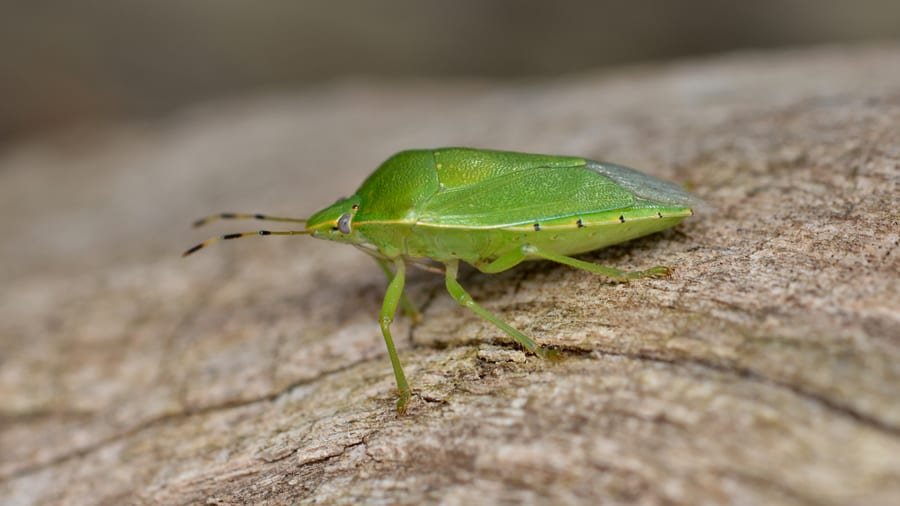
Occasional invaders are the insects that wander indoors from the yard or a damp corner, usually in small numbers and usually without doing damage. Spiders, beetles, silverfish, earwigs and centipedes all fall into this group.
Ants are the exception and are not covered here. They come in as a colony with a foraging route rather than as strays, and treating them means reaching the nest, so ant work runs as its own program on our ant control page.
Most of the time the fix is straightforward: reduce moisture, seal gaps at doors and the foundation, and treat entry points. The library below covers how to tell these pests apart and what draws each one inside.
How to identify
- Found near doors, windows, foundations and damp areas like basements and bathrooms.
- Usually seen as individuals or small groups rather than trails or nests indoors.
- Numbers rise in spring and fall as temperature and moisture push them to shelter.
Fast facts
- What they are
- Yard and damp-area insects that wander in
- Numbers
- Usually a few at a time
- Damage
- Little to none in most cases
- Fix
- Moisture control and sealing entry points
Signs to watch for
- The occasional insect on a basement or bathroom floor.
- Insects along the base of an exterior wall or a window well.
- More sightings after heavy rain or a sudden temperature swing.
Why it matters
- Mostly a nuisance and a source of unease rather than a structural or health problem.
- Steady numbers usually point to a moisture issue or an open entry point worth correcting.
How we handle it
Our approach
Identify what is coming in
We confirm which occasional invaders you have and where they are entering. Why it matters: the entry points and the moisture conditions differ between, say, earwigs and silverfish.
Correct moisture and harbourage
We point out the damp areas, leaf litter, mulch and clutter drawing insects to the wall. Why it matters: most occasional invaders will not stay where it is dry and tidy.
Treat and seal entry points
We treat the exterior entry points and gaps at doors, windows and the foundation. Why it matters: closing the route in is what turns a recurring trickle into the odd one-off.
The library
Know what wandered in
Spiders
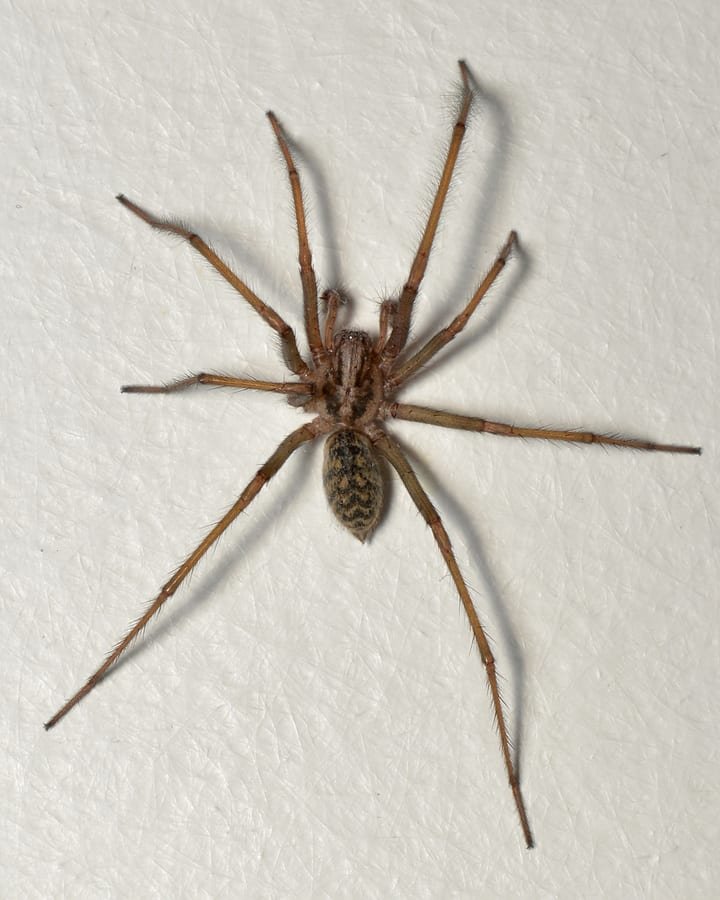
Spiders follow their food, so webs piling up in corners and window wells usually mean a steady supply of other insects. Manitoba's common species are harmless nuisance spiders.
- House and cobweb spiders are small brown spiders that build messy webs in corners and quiet spaces.
- Wolf spiders are large, fast ground hunters that wander in during fall and do not build webs.
- Egg sacs are round and papery, tucked into webbing or sheltered corners.
Beetles
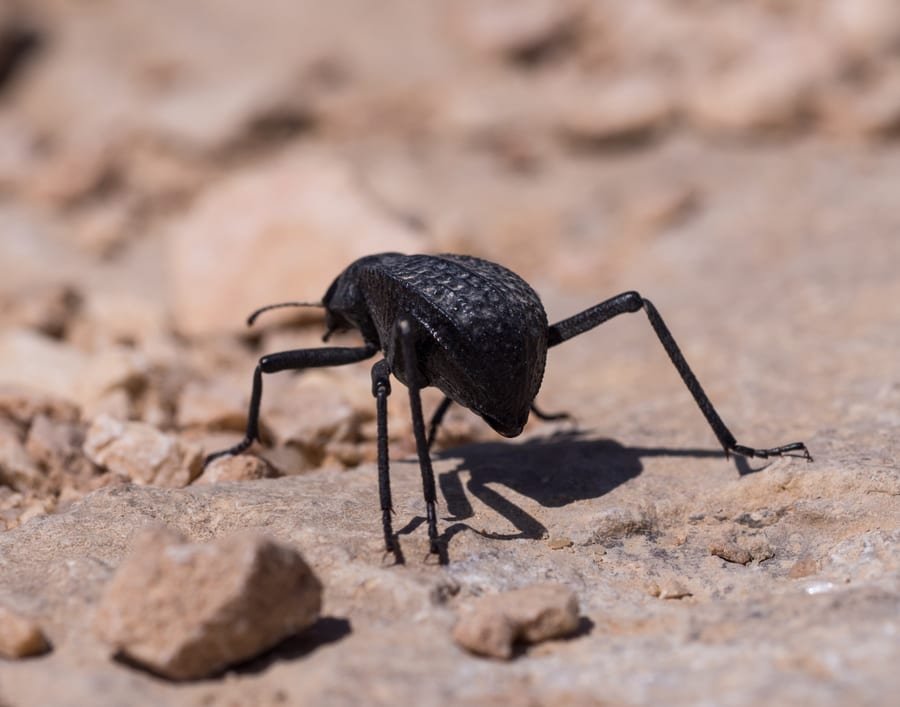
Beetle is a broad label covering ground beetles that wander in from the yard, carpet beetles that feed on wool and felt, and pantry beetles in stored food. They are managed differently, so identification comes first.
- Ground beetles are large, dark, fast beetles found on floors near exterior doors, usually harmless one-offs.
- Carpet beetle larvae are small, hairy and carrot-shaped, feeding on wool, felt and feathers.
- Pantry beetles are small brown beetles in or around dry-food packages.
Silverfish
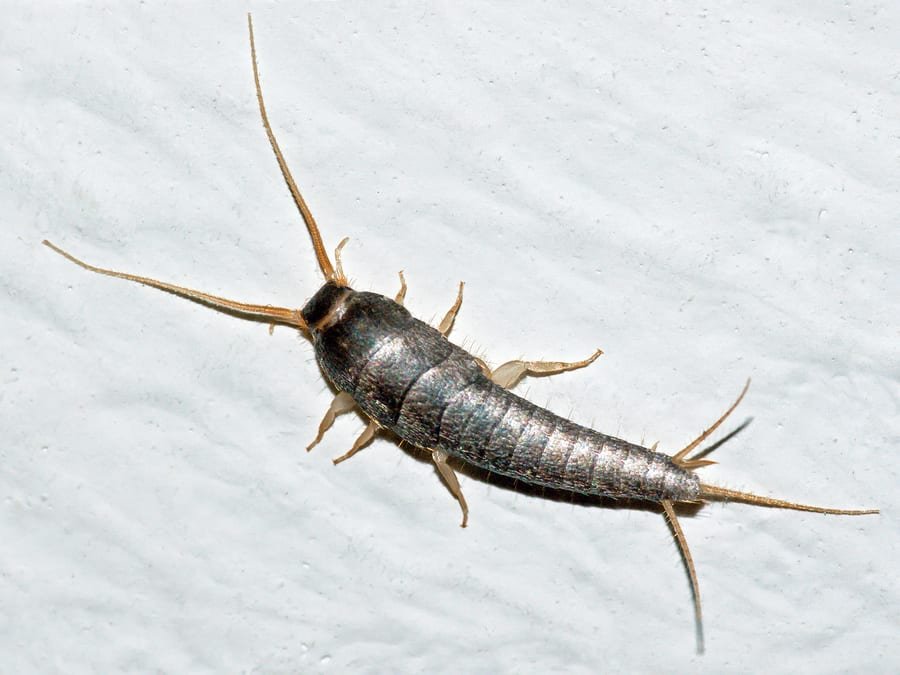
Silverfish are teardrop-shaped, wingless insects that like damp, humid spaces such as bathrooms, basements and around plumbing. They feed on starches in paper, cardboard and stored fabrics.
- Silver-grey, 12–19 mm, with a tapered body and three long bristles at the tail.
- A wriggling, fish-like motion when they move.
- Yellow staining or small irregular holes on paper, book bindings and cardboard.
Earwigs
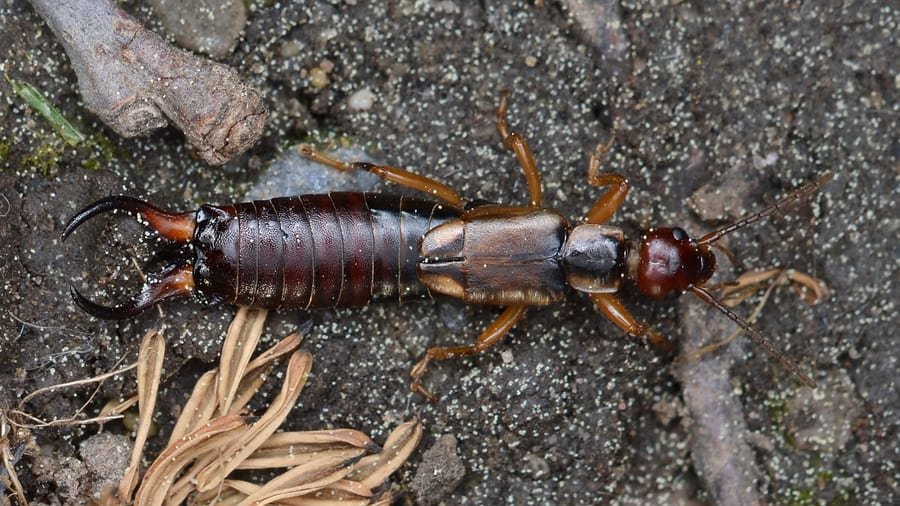
Earwigs are dark, flattened insects with a pair of pincers at the tail. They live outdoors in mulch and leaf litter and wander in through door gaps, especially in hot, dry spells.
- Reddish-brown, about 12–15 mm, with obvious rear pincers (cerci).
- Fast-moving and most active at night.
- Found in damp spots — under door mats, in basements, around sinks.
Centipedes
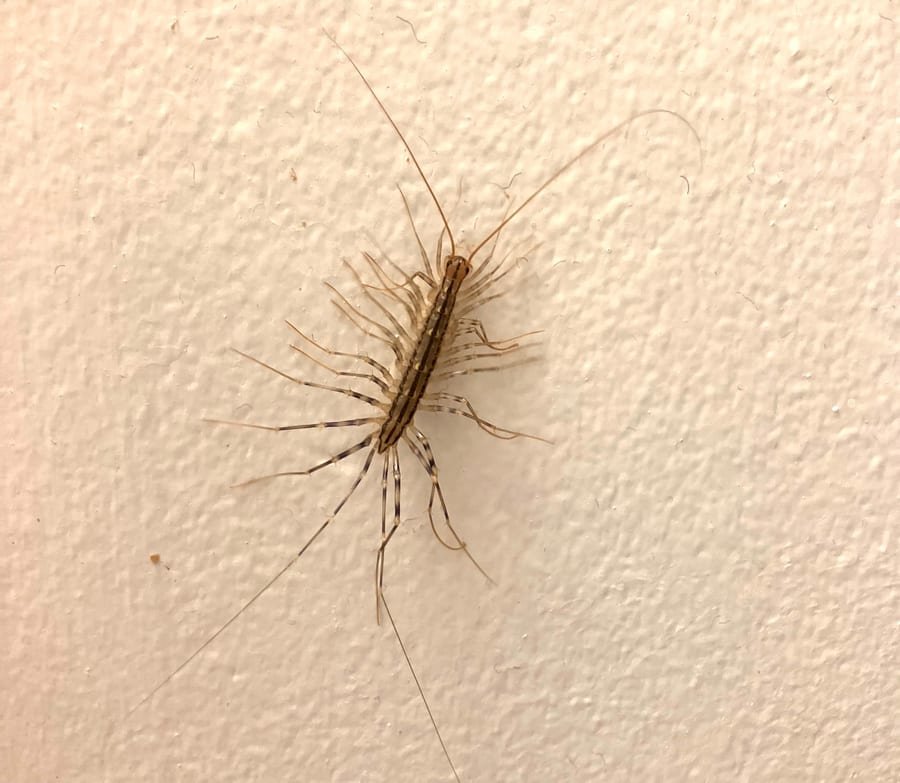
House centipedes are fast, many-legged predators that hunt other insects in damp basements, bathrooms and crawl spaces. Unsettling to see, but not a threat to the building.
- Yellow-grey with up to 15 pairs of very long legs and a flattened body.
- Extremely fast across floors and walls, then suddenly still.
- Most common in damp, undisturbed lower levels of the home.
Prevention
Keep them from coming back
- Fix leaks and improve drainage so the ground next to the foundation dries out.
- Seal gaps at door sweeps, thresholds, windows and utility lines.
- Keep mulch, leaf litter and dense plants back from the foundation.
- Run a dehumidifier in a damp basement.
- Cut clutter in basements and storage areas.
Questions
Occasional Invaders questions, answered
Why do I keep seeing bugs in the basement after rain?
Heavy rain drives ground insects to higher, drier ground, and that often means your foundation and basement. Better drainage and sealed entry points fix most of it.
Are these pests dangerous?
Almost never. This group is a nuisance more than a threat. Steady numbers are a sign of a moisture or entry issue rather than a health risk.
Do I need ongoing treatment?
Usually not. A round of exterior treatment plus sealing and moisture work is enough for most homes. We will say so if we think something more is warranted.
Get it handled
PESTS DON'T WAIT. NEITHER SHOULD YOU.
Call Central Prairie Pest Control or send the quote form — you'll get a clear price and plan before any work starts.