

Wasps
Paper nests under the eaves, yellowjackets in the ground and wall voids, and stings that keep everyone inside.
Overview
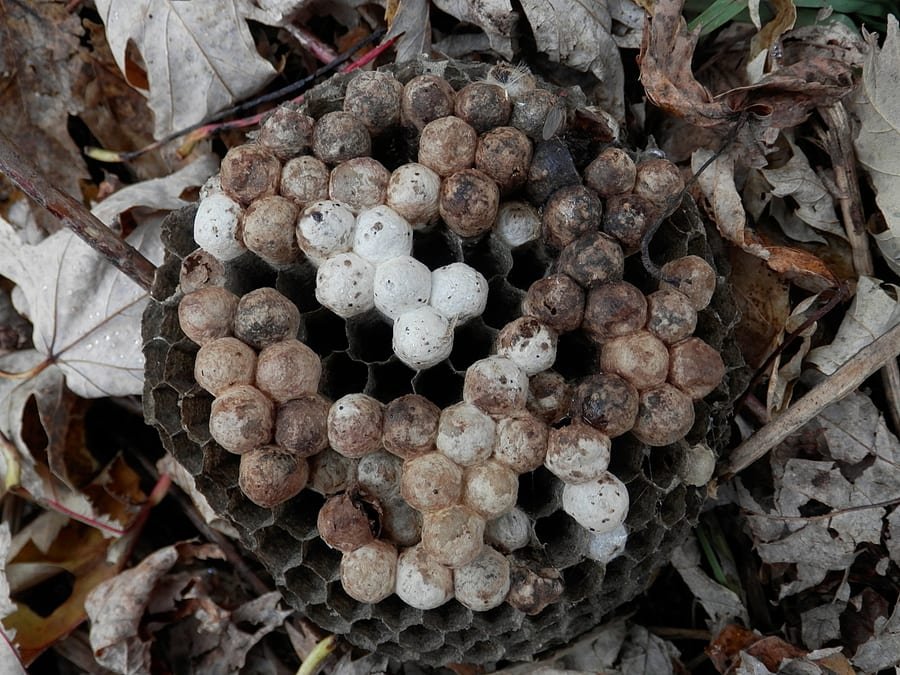
By late summer, Manitoba wasp colonies are at their largest and most defensive. Paper wasps build open, umbrella-shaped combs under eaves and railings, while yellowjackets nest in the ground and inside wall voids.
Wasps are the pest most likely to send someone to hospital, usually when a nest is disturbed. Professional removal is about finding the active nest, treating it at the right time, and dealing with the areas where people are most likely to be stung.
How to identify
- Paper wasps are slender with long legs that hang down in flight; their nests are open combs under overhangs.
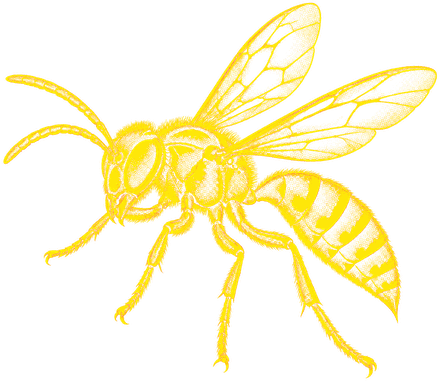
- Yellowjackets are stocky and bright yellow-and-black, and nest underground or inside wall voids.
- Bees are rounder and hairier; honeybees are pollinators and are handled differently than wasps.
Fast facts
- Common species
- Paper wasp and yellowjacket
- Peak season
- Mid to late summer in Manitoba
- Nest sites
- Eaves, railings, wall voids, the ground
- Risk
- High when a nest is disturbed
Signs to watch for
- A steady stream of wasps in and out of a hole in siding, soffit or the ground.
- Visible grey paper nests under eaves, decks, railings or play equipment.
- Wasps working over food, drinks and garbage in late summer.
- Buzzing that can be heard inside a wall.
Why it matters
- Multiple stings when a nest is disturbed — yellowjackets defend as a group.
- Serious reactions for anyone with a sting allergy, including customers on a commercial property.
- Wasps active around doors, decks and play areas keep people inside.
- Spraying a nest at the wrong time of day scatters the colony and makes removal riskier.
How we handle it
Our approach
Inspection
We check the areas where wasps are active and look for the nest or nests involved. Why it matters: the treatment for an open paper-wasp comb is not the same as for a yellowjacket nest in a wall or the ground.
Nest and activity identification
We identify the species and confirm where the active nest is by watching flight paths and entry points. Why it matters: treating a confirmed nest is what solves the problem, and we do not claim hidden nests we have not actually found.
Treatment
We treat the nest with professional equipment at the time of day when the colony is least active. Why it matters: timing means more of the colony is home, and foragers returning later do not simply rebuild.
Risk areas
We focus on the spots where people and wasps cross paths — doorways, decks, garbage areas and play structures. Why it matters: bringing down the sting risk in those areas is the point of the visit, not just removing one nest.
Seasonal timing
We talk through Manitoba's wasp season so you know when queens start nests in spring and when colonies peak in late summer. Why it matters: sealing likely nest sites early in the year prevents a lot of late-season calls.
Prevention
Keep them from coming back
- Seal gaps in siding, soffit and around utility lines in spring.
- Keep garbage and compost bins tightly lidded.
- Cover food and drinks outdoors in late summer.
- Knock down small starter nests early, or have us take care of it.
- Check sheds, play structures and stored equipment before kids use them.
Questions
Wasps questions, answered
Is it safe to knock down a nest myself?
A small, early-season paper-wasp nest with only a few wasps can sometimes be handled carefully. Ground nests and wall-void nests are another matter — yellowjackets defend hard and sting repeatedly. If the nest is larger than a golf ball, inside a wall, or near a doorway or play area, call a professional.
There is a line of wasps going into my siding. What is that?
That is very likely a yellowjacket nest in the wall void. Do not seal the hole; trapped wasps can chew through drywall into the room. This is one of the most common late-summer calls we take.
Do wasps come back to the same place every year?
The workers die off in fall and a nest is not reused, but new queens emerge in spring and often pick the same sheltered spots. Sealing entry points in early spring is the best prevention.
What about bees?
Bees are important pollinators and are handled differently. When we confirm honeybees, we talk through the most responsible option for the situation before doing anything.
Get it handled
PESTS DON'T WAIT. NEITHER SHOULD YOU.
Call Central Prairie Pest Control or send the quote form — you'll get a clear price and plan before any work starts.